
When was the last time your audience trusted a logo?
That's the question I keep asking executives who tell me their company brand is strong enough. Their products speak for themselves. They don't need the CEO on LinkedIn.
And every time, I think: That's exactly what legacy newsrooms said about their call letters.
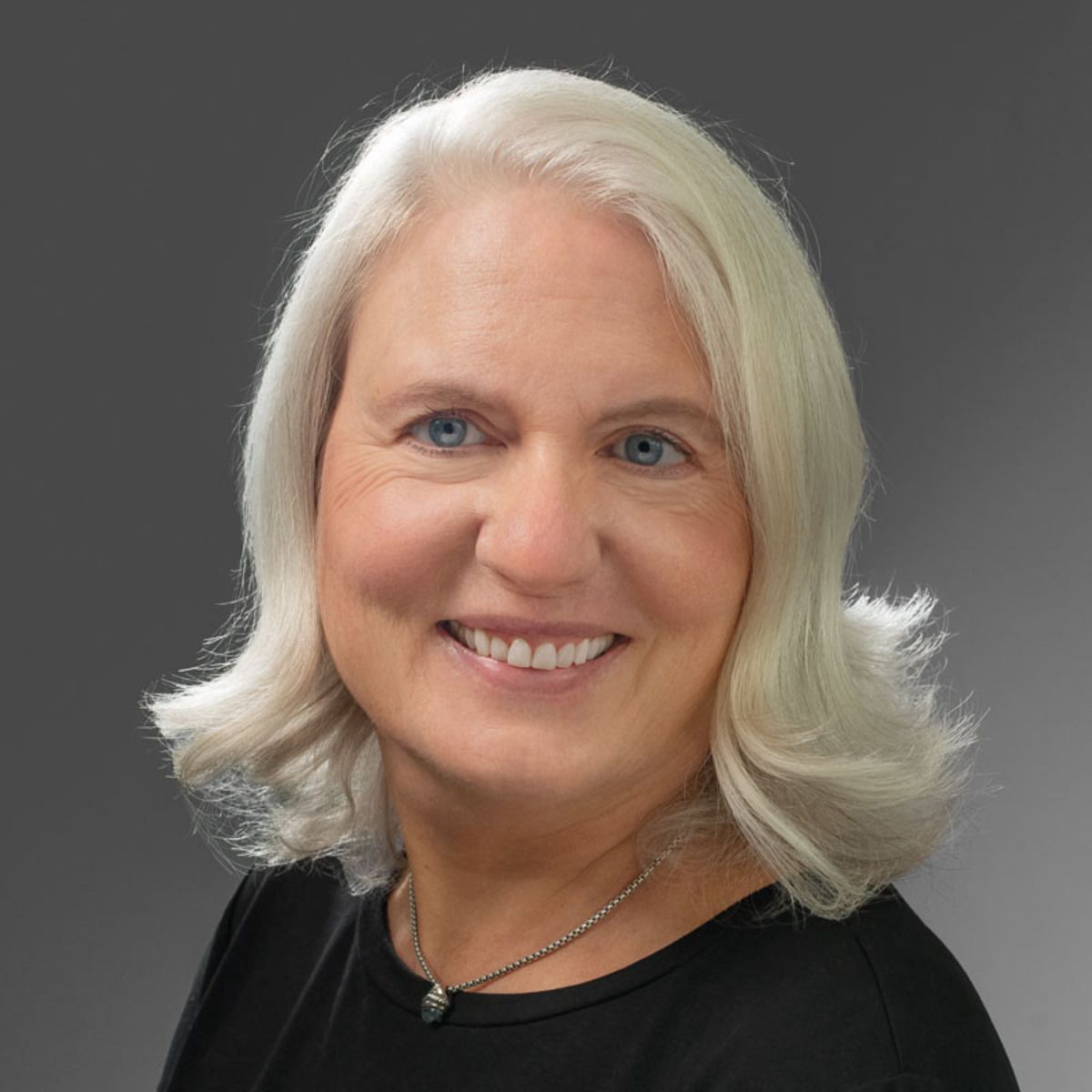
Judy Schramm has been watching this shift since 2007. That's when she started helping CEOs and executives use LinkedIn to achieve their business goals. Back then, social media was just starting to get noticed. The Edelman Trust Barometer called it an emerging trend, not yet mainstream.
Today? LinkedIn reaches 1.3 billion people worldwide, with more than 310 million active users each month. When Judy started ProResource, it had just 10 million.
But the bigger shift isn't the platform. It's what people expect from leaders.
Here's what kills me:
The same trust crisis reshaping media is reshaping leadership.
The 2025 Edelman Trust Barometer found that 61% of people think business and government serve only a few. And 68% believe business leaders intentionally mislead the public.
Trust is migrating.
From institutions to individuals.
From press releases to personal presence.
From corporate accounts to human voices.
Judy told me that because people trust institutions less than ever, they look for real human connections and leaders they can count on. LinkedIn is one of the few places where people can see how an executive thinks—and whether their actions match their values.
"Very little happens until people trust you," she said. "LinkedIn lets you build that trust faster—if you're intentional."
The Cost of Invisibility
Many executives say they're too busy to post on LinkedIn. But from what I see with my clients, it's usually a lack of strategy, not time.
Judy warns that staying silent is risky—because it lets others shape your reputation.
"If you're not clear about how you want to be seen, you leave your image up to other people," she said. "And they will fill in the blanks themselves."
Silence isn't neutral. It's a vacuum. And someone else will fill it.
The most important thing for leaders, Judy says, is to be intentional: Who do they need to reach? What do those people need to know? What do they want them to do?
"Just be intentional about doing the things that will get you what you want."
What Boards Need to Understand
T𝗵𝗲 𝗰𝗼𝗺𝗽𝗮𝗻𝘆 𝗯𝗿𝗮𝗻𝗱 𝗶𝘀𝗻'𝘁 𝘁𝗵𝗲 𝘁𝗿𝘂𝘀𝘁 𝘀𝗶𝗴𝗻𝗮𝗹 𝗮𝗻𝘆𝗺𝗼𝗿𝗲. People want to know who's behind it. A visible leader is a credibility multiplier.
↘︎ 𝗩𝗶𝘀𝗶𝗯𝗶𝗹𝗶𝘁𝘆 𝗶𝘀 𝗮 𝗿𝗲𝗰𝗿𝘂𝗶𝘁𝗶𝗻𝗴 𝘁𝗼𝗼𝗹. Top talent researches leadership before applying. What they find—or don't find—shapes their decision.
↘︎ 𝗧𝗵𝗲 𝗯𝗲𝘀𝘁 𝗲𝘅𝗲𝗰𝘂𝘁𝗶𝘃𝗲𝘀 𝗮𝗿𝗲 𝗯𝗲𝗰𝗼𝗺𝗶𝗻𝗴 𝗰𝗿𝗲𝗮𝘁𝗼𝗿𝘀. They're building audiences. Earning trust at scale. Those who don't will be outpaced by those who do.
↘︎ 𝗧𝗵𝗶𝘀 𝗶𝘀𝗻'𝘁 𝗮𝗯𝗼𝘂𝘁 𝗴𝗼𝗶𝗻𝗴 𝘃𝗶𝗿𝗮𝗹. It's about being present. Consistent. Human. The bar isn't perfection—it's showing up.
Boards still think executive visibility is optional.
It's not.
It's how trust gets built now.
The executives who figure this out first will stop losing influence to leaders who simply showed up.
The ones who don't will keep wondering why no one's listening.